Nostalgia Is Not a Plot: Why Your Favorite Old Show Probably Shouldn't Have Come Back
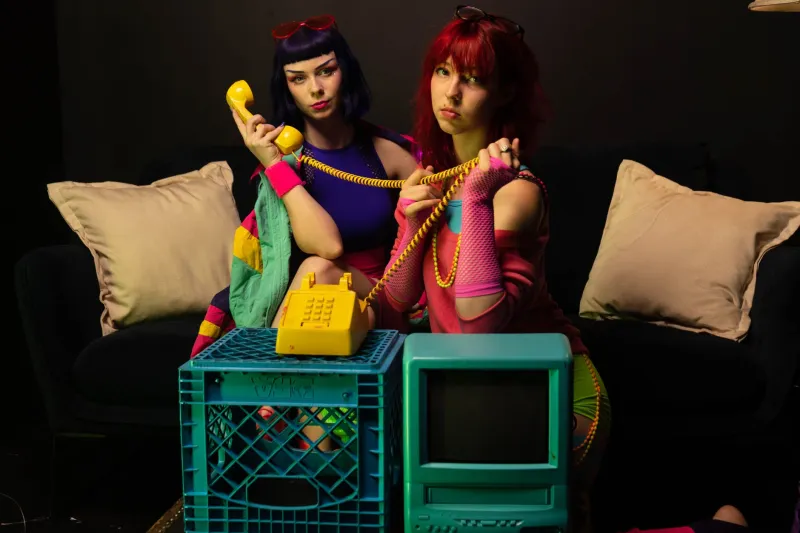
Let's be honest about something. The moment you heard your favorite childhood show was coming back, you felt a little flicker of excitement. Maybe more than a little. And then — if the revival actually came out — you watched the first episode with that weird mix of hope and dread, and somewhere around the thirty-minute mark, the dread started winning.
This has become one of the defining entertainment experiences of the past decade. The 90s and early 2000s revival industrial complex is running at full capacity, and the hit rate is genuinely rough.
Why Studios Can't Stop Reaching Backward
Before we get into why these things keep failing, it's worth understanding why they keep getting made. The economics are not subtle. A title with existing name recognition reduces the risk of a cold launch — there's already an audience primed to care, or at least primed to click out of curiosity. Streaming platforms, desperate for content that can generate chatter in a crowded market, see an established IP as a conversation starter that a brand-new show has to earn from scratch.
Add to that the fact that the people greenlighting these projects are often the same age as the original audience. There's a genuine emotional pull at the executive level, not just the commercial one. Someone in a development meeting remembers loving that show, and that memory is doing a lot of persuasive work.
The problem is that memory is a terrible creative consultant.
What Memory Gets Wrong
Here's the trap: you don't actually remember the show. You remember how the show made you feel. You remember watching it at a specific age, in a specific context, probably with specific people. The nostalgia isn't really for the content — it's for the version of yourself that consumed it.
No revival can give you that back. And the ones that try to approximate it tend to produce something that feels like a cover band playing the hits — technically recognizable but missing whatever made the original feel alive.
The Gossip Girl reboot is probably the cleanest case study here. The original ran on the very specific cultural energy of pre-social-media upper-crust Manhattan teenage drama. The reboot tried to update that premise for the Instagram era, kept the name, kept the format, and lost virtually everything that made people care. It wasn't bad television, exactly. It just had no reason to exist beyond the brand recognition.
Same story with the Saved by the Bell revival on Peacock. Charming in spots, nostalgic in all the wrong ways, and canceled after two seasons. The iCarly continuation on Paramount+ fared a little better by leaning into the age of its original cast rather than pretending nothing had changed — but even that one is walking a tightrope.
The Rare Revival That Actually Worked
It does happen. Not often, but it happens.
The Conners — the Roseanne spinoff that emerged after Roseanne Barr's Twitter implosion — is genuinely interesting television that has found its own identity while honoring the original's working-class roots. Cobra Kai is the most obvious recent success story: a Karate Kid sequel series that took its premise seriously, gave its characters actual arcs, and earned new fans who'd never seen the original movies.
What do those have in common? They treat the source material as a foundation rather than a costume. They're willing to actually change things, age characters, introduce genuine conflict, and let the story go somewhere the original couldn't or didn't. They respect the audience's intelligence enough to not just recreate greatest hits.
Compare that to the Full House revival, Fuller House, which leaned so hard into callbacks and self-referential jokes that it barely existed as a show in its own right. It was a nostalgia delivery mechanism wearing a sitcom's clothes.
The Generational Mismatch Problem
There's another layer here that doesn't get talked about enough. These revivals are being made primarily to satisfy the nostalgia of people who were teenagers or young adults during the original run. But they're being released into a world where younger viewers — the ones streaming platforms actually need to build long-term subscriber bases — have zero attachment to the IP.
A 19-year-old in 2025 doesn't have a Frasier memory. They have no reason to care that Kelsey Grammer is reprising a role in a show that launched before they were born. The revival might scratch the itch for people in their 40s, but it's not building anything new.
The most successful revivals figure out how to bridge that gap — how to make the story feel relevant and accessible to someone who's coming in cold. That's genuinely hard creative work, and it requires more than just reassembling the original cast and letting them riff on old dynamics.
What a Good Revival Actually Requires
If you're going to bring something back, a few things seem non-negotiable based on what's worked.
First, you need a story that actually needs to be told — a genuine continuation or complication of the original, not just more of the same. Second, you need creative leadership that cares about the material for reasons beyond the paycheck, which is rarer than you'd think. Third, you need the confidence to disappoint some original fans by actually evolving the thing.
That last one is the hardest. The audience that shows up for a revival is often the most protective of the original — and they will absolutely tell you on social media if you got it wrong. But playing it safe to avoid that criticism usually produces exactly the lifeless product that deserves it.
The Bottom Line
Nostalgia is a feeling. Television is a craft. The two are not the same thing, and no amount of familiar theme music or original cast cameos can paper over that gap.
The 90s and 2000s were genuinely great eras for certain kinds of storytelling. Some of that material has real potential for a second life. But potential is just potential — it still has to be executed, and execution requires more than a licensing deal and a streaming platform desperate for content.
When it works, it works beautifully. When it doesn't, you're left watching something that makes you slightly sad — not because it's terrible, but because it makes you realize the original was more fragile and more specific than you remembered. Some things are worth protecting by leaving them alone.