Season Two Used to Be a Victory Lap. Now It's a Stress Test.
Acclaimed first seasons keep giving way to messy, rushed second outings. The sophomore slump is no longer bad luck — it is what happens when speed, scale, and fan pressure collide.
Everything Entertainment, All in One Place
Acclaimed first seasons keep giving way to messy, rushed second outings. The sophomore slump is no longer bad luck — it is what happens when speed, scale, and fan pressure collide.

From $80 popcorn buckets to limited vinyl and drop-culture collectibles, merch has become the real sequel. Fans are spending after the credits roll, and studios are building year-round revenue around belonging.
Micro-episodes and vertical dramas are no longer a novelty; they are a programming strategy. The bite-size boom is changing how stories get made, sold, and watched — and the attention-span panic may be missing the point.
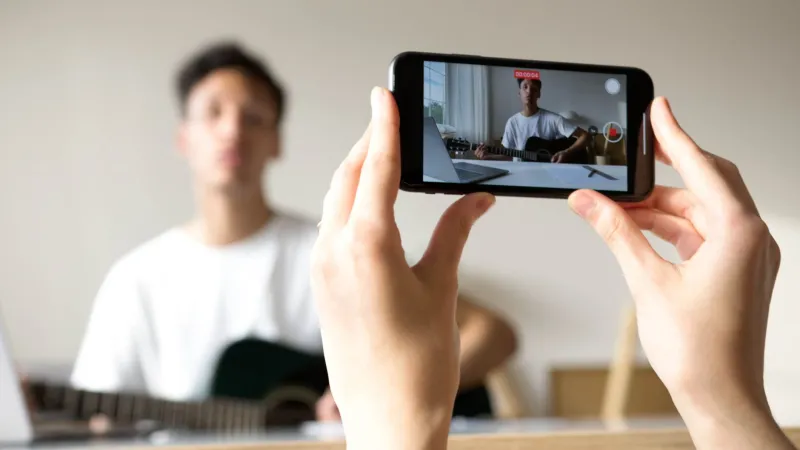
A new generation of musicians didn't sit by the phone waiting for a record deal — they built their audiences on YouTube covers, TikTok originals, and Instagram reels until the labels had no choice but to come to them. The A&R machine is scrambling to keep up, and the old gatekeeping playbook is starting to look pretty obsolete.
When a studio swaps out the face behind an iconic character, fandom has opinions — and social media makes sure everyone hears them. Some recastings become seamless transitions that audiences barely blink at, while others split entire communities down the middle for years. The difference isn't always about talent, and it's almost never simple.
Streaming platforms are quietly making a habit of pulling the plug on shows mid-story, leaving characters frozen in unresolved cliffhangers and fans with zero closure. The math behind the decision is brutally simple, but the damage to audiences and creators runs a lot deeper than a disappointed tweet. Here's what's really going on.
When the pandemic forced casting directors onto Zoom, something unexpected happened — actors from small towns, overlooked zip codes, and non-traditional backgrounds suddenly had a shot they never would have gotten before. But is the playing field actually level now, or did Hollywood just swap one set of gatekeepers for another?
There was a time when the right song in the right scene could make a movie immortal. Now, between licensing nightmares, algorithmic playlist thinking, and shrinking budgets, film and TV music has become background noise. Composers and music supervisors say the golden era of the soundtrack isn't coming back — and here's why.
At some point, the conversation around a TV show stopped being about the show. For millions of viewers, the real entertainment is the Twitter threads, the Reddit breakdowns, the fan wars, and the endless cycle of hype and disappointment. Welcome to the era where the fandom is the product.
Studios aren't just rebooting the shows and movies you loved anymore — they're building entire universes around them. Whether that's a gift to fans or a slow-motion dilution of something that used to matter is a question worth asking.
They laughed together on stage, finished each other's sentences in interviews, and made you believe the chemistry was real. Then one day, it wasn't — and the fallout was messier than anyone expected.
More and more performers are quietly stepping back from the work that made them famous to pursue something completely different — and the reasons why are more complicated than 'they just needed a break.'
Hollywood keeps reaching back into the 90s and early 2000s for material, and the results keep landing with a thud. Most revivals mistake the feeling of a show for the actual ingredients that made it work — and audiences can tell the difference immediately. We break down why the nostalgia machine keeps misfiring and what the rare good revival actually gets right.
A-listers have been rushing into podcasting for years, armed with big announcements, bigger deals, and almost no plan for what comes next. Most of those shows are either dead, on indefinite hiatus, or quietly outsourced to production teams who've turned them into something unrecognizable. We look at what's actually going on behind the mic.
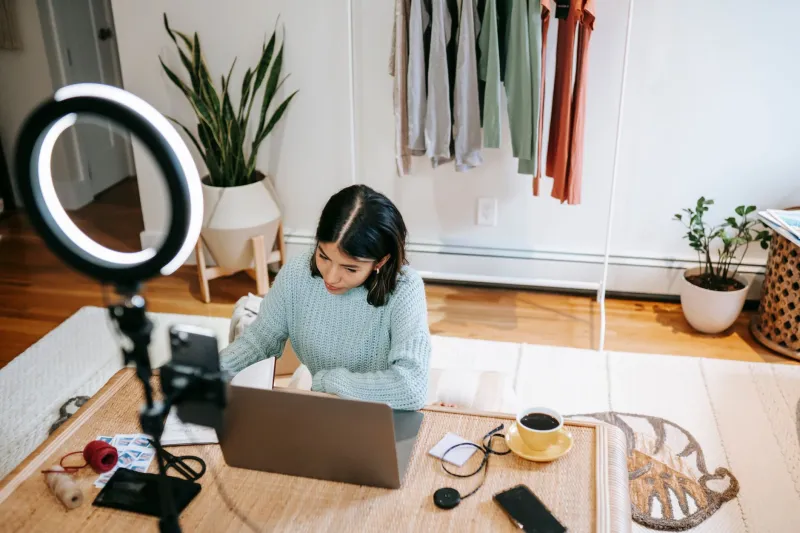
Studios are quietly replacing casting couches and callback rooms with algorithms and camera-facing apps — and the results are messier than anyone wants to admit. AI-powered audition platforms promise to democratize who gets discovered, but they come with their own brand of bias baked right in. Here's what's actually changing, and what isn't.
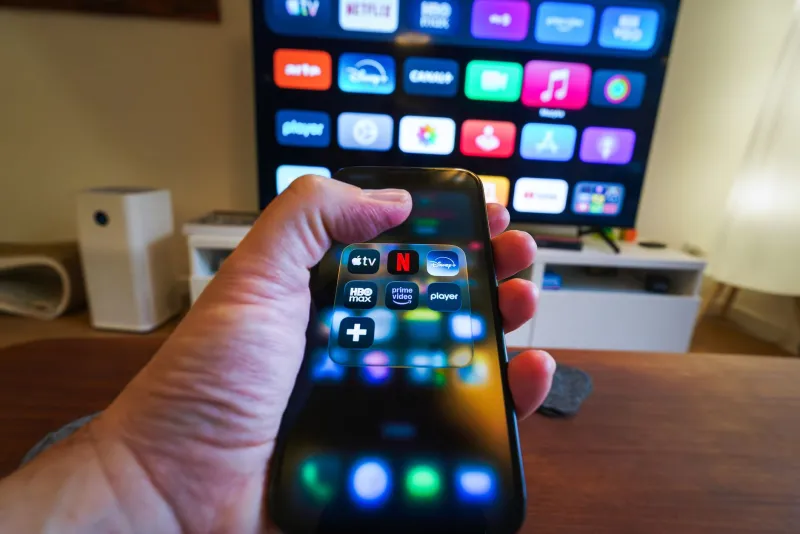
Streaming platforms spent years selling you on the promise of watching everything at once, whenever you wanted. Now they're quietly taking that back — releasing shows in batches, staggering episodes, and calling it a better experience. Is it actually better, or is it just better for them?
For decades, having the right last name in Hollywood was basically a golden ticket. But Gen Z audiences are quietly rewriting that contract — and the box office receipts are starting to show it.
While streaming platforms are busy A/B testing your thumbnail and optimizing your queue, something genuinely interesting is happening in your earbuds. Audio drama and narrative podcasts are attracting serious talent and building real audiences — and they're doing it almost entirely outside the algorithm machine.
The old Hollywood power structure is cracking at the seams. Directors, producers, and actors who once begged for studio greenlight meetings are now signing their own checks and calling their own shots — and audiences are following them wherever they go.
Radio programmers and music critics used to be the gatekeepers who decided which songs became hits and which artists got award nominations. Those days are gone. Now a fifteen-second TikTok clip and a well-placed Spotify playlist can do more for a career than decades of industry relationships ever could.