Ears Wide Open: How Podcasts Quietly Took Over the Way America Consumes Entertainment
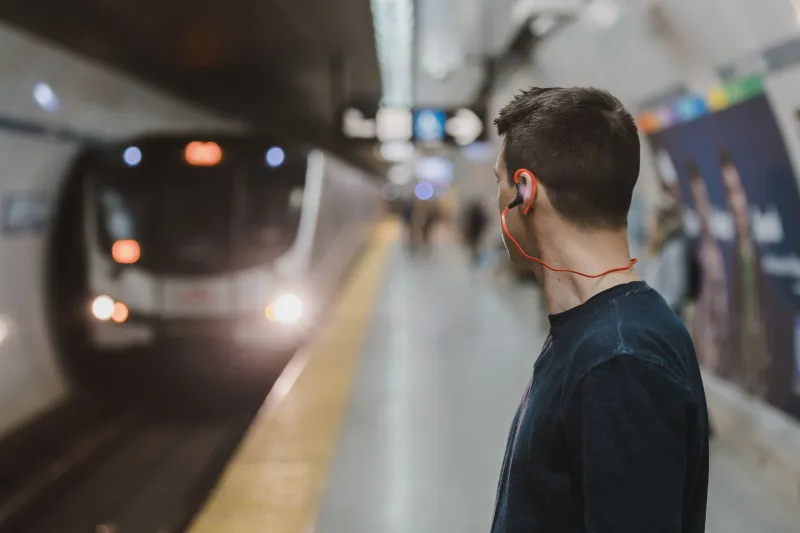
Not too long ago, telling someone you were really into podcasts was a good way to clear a room at a party. It sounded nerdy, niche, maybe a little too enthusiastic about a medium most people associated with tech bros and unsolved murder cases. Fast forward to today, and that same conversation starter is basically universal. Your coworker is obsessed with SmartLess. Your mom can't stop talking about a true crime series she discovered on Spotify. Your college roommate just launched their own show about vintage sneakers and somehow has 40,000 listeners.
The podcast boom didn't happen overnight, but it hit a tipping point that nobody in traditional entertainment was fully prepared for — and now everyone from Netflix to iHeartMedia is scrambling to claim their piece of the audio pie.
From Garage Hobby to Mainstream Obsession
The numbers alone tell a wild story. According to Edison Research, more than 135 million Americans tune into podcasts every month. That's not a niche audience — that's a mass media event happening quietly through earbuds on morning commutes, afternoon runs, and late-night dishwashing sessions across the country.
So what changed? A few things converged at just the right moment. Smartphones became the default entertainment device. Streaming made on-demand content feel completely normal. And then the pandemic hit, stranding millions of people at home with way too much time and a sudden desperate need for human voices in their living rooms. Podcast consumption surged during 2020 and never really came back down.
But the technology and timing only explain part of the story. The other part is content — and podcasting has produced some genuinely remarkable content.
The Genres That Broke Through
True crime didn't invent podcasting, but it absolutely supercharged it. Serial, which dropped back in 2014, is still the moment most people point to as the genre's cultural detonator. It proved that audio storytelling could grip millions of listeners the same way a prestige TV drama could. Since then, true crime has spawned hundreds of imitators and a few genuine successors — shows like Crime Junkie, My Favorite Murder, and Scam Goddess have built devoted communities that feel less like fan bases and more like cults (in the best possible way).
Comedy podcasts carved out their own empire in parallel. Shows like Conan O'Brien Needs a Friend, Call Her Daddy, and 2 Bears 1 Cave turned podcast studios into the new late-night talk show set. The format is looser, raunchier, and way more honest than anything network TV would greenlight — and audiences love it for exactly that reason. There's no corporate polish, no seven-second delay. It's just people being genuinely funny and weird for an hour, and that authenticity is incredibly hard to fake.
Then there's the storytelling and narrative space — shows like This American Life, Radiolab, and Stuff You Should Know that have been quietly building massive audiences for over a decade. These aren't flashy, but they're sticky. People don't just listen once; they binge entire back catalogs and recommend episodes to friends like they're sharing a book they loved.
Hollywood Heard the Buzz and Came Running
Once the money started talking, traditional media companies couldn't stay on the sidelines. Spotify dropped over $1 billion acquiring podcast companies and exclusive deals with creators like Joe Rogan and Alex Cooper. Amazon bought Wondery. SiriusXM scooped up Stitcher. iHeartMedia went on its own acquisition spree.
Netflix, HBO, and major film studios started optioning podcast IP for TV and film adaptations at a pace that felt almost frantic. Dirty John, Dr. Death, Limetown, Homecoming — podcast-to-screen adaptations became their own mini-genre. It makes a certain kind of business sense: a podcast with a proven audience is a pre-validated concept, which is exactly the kind of low-risk bet that studios love.
But the corporate gold rush has also created some real tension. Independent creators who built audiences from nothing suddenly found themselves competing for ad dollars and listener attention against shows backed by eight-figure budgets and celebrity hosts. When Spotify started pushing exclusive content and algorithmic playlists, smaller creators complained — loudly — that the platform was tilting the playing field toward big names.
The Attention Economy's Newest Battleground
Here's what makes podcasting genuinely different from every other entertainment format fighting for your attention right now: it fits into the dead zones of your day. You can't watch TV while driving. You can't scroll TikTok at the gym without risking a face-plant on the treadmill. But you can absolutely listen to a two-hour conversation about the psychology of serial killers while doing literally anything else with your hands.
That's a superpower that streaming video and social media simply don't have, and advertisers have caught on in a major way. Podcast advertising revenue in the US crossed $2 billion in 2023, and that number is still climbing. The host-read ad — where your favorite podcaster personally endorses a mattress or a meal kit — has proven remarkably effective compared to traditional display or even social media advertising. Listeners trust the voices they've been hanging out with in their ears for hundreds of hours.
What Comes Next for Audio's Biggest Format
The podcast space is undeniably crowded right now. There are something like four million active shows competing for listener time, which means discoverability has become a genuine crisis for new creators. The era of launching a show and organically building an audience through word of mouth is getting harder by the year.
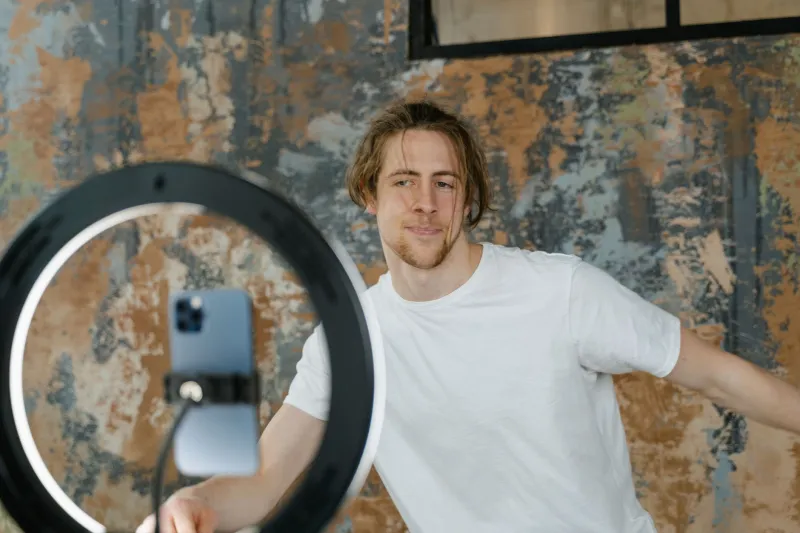
Video podcasting — basically filming the recording session and posting it to YouTube or social media — has emerged as a workaround, giving shows a visual presence that helps with discovery. Joe Rogan, Theo Von, and a wave of newer comedy podcasters have leaned into this hybrid format hard, blurring the line between podcast and YouTube channel in ways that would have seemed weird five years ago.
AI is also starting to poke its head into the conversation, with tools that can generate transcripts, assist with editing, and even clone voices. Whether that's exciting or terrifying probably depends on where you sit in the industry.
What's clear is that podcasting isn't a trend anymore. It's infrastructure — a permanent part of how Americans consume stories, information, and entertainment. The headphones are on, the feed is full, and honestly? There's never been a better time to have something worth saying.