Muzzled by the Machine: How Studios Took the Mic Away From the Stars
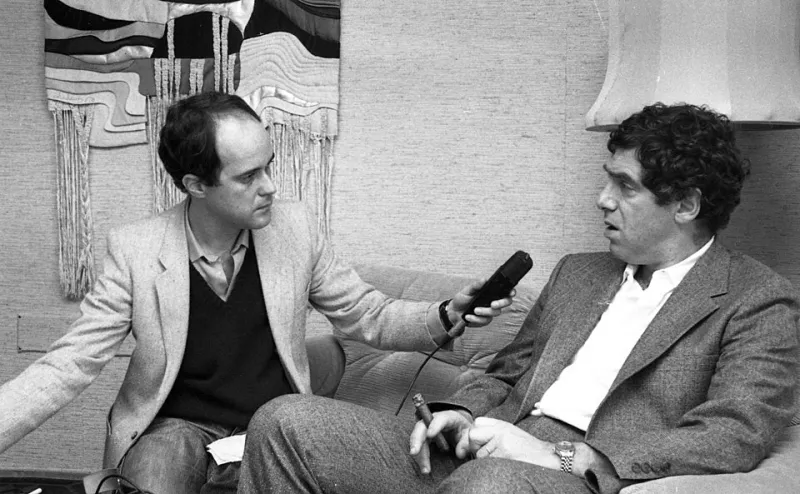
Photo: IPPA photographer, CC BY 4.0, via Wikimedia Commons
There's something a little off about the last few big press tours you've watched. The interviews feel polished to the point of being hollow. The actors smile, deliver a cute anecdote, and pivot back to "you'll just have to watch and see." Nothing lands wrong. Nothing surprises you. And honestly? Nothing sticks.
That's not an accident.
Over the past several years, major studios and streaming platforms have quietly — and very deliberately — tightened their grip on how actors talk about their own projects. What used to be a relatively loose arrangement, where performers could riff on a late-night couch, dish a little backstage drama, or just be themselves on social media, has evolved into something that looks a lot more like brand management than genuine human promotion.
Welcome to the era of the controlled celebrity.
The Press Tour Is Now a Rehearsed Performance
If you've been watching junket interviews lately, you might have noticed they feel almost scripted. That's because, increasingly, they kind of are. Talent handlers and studio PR teams now frequently prep actors with pre-approved talking points, flagged topics to avoid, and social media language that goes through multiple rounds of approval before anything gets posted.
This isn't new in concept — studios have always had PR departments. But the degree of control has escalated significantly. Sources inside the industry have described environments where actors are told explicitly not to discuss certain plot points, not to engage with fan theories, and in some cases, not to even confirm basic facts about their characters that were already reported in trades.
The result is a weird paradox: the people who actually made the thing you're excited about are somehow the least informative sources about it.
Social Media Used to Be the Escape Valve
For a while, social media felt like the workaround. An actor could be buttoned-up in a roundtable interview and then go home and post a behind-the-scenes photo dump that felt real and unfiltered. Fans ate it up. It fed the parasocial machine that streaming platforms, ironically, depend on to build buzz.
But now even that's getting locked down. Increasingly, cast members are given social media guidelines as part of their contracts. Some are required to submit posts for approval before publishing. Others are discouraged from engaging with fan commentary about their projects — even positive stuff — because it opens doors to conversations the studio doesn't want happening publicly.
Think about how many times you've seen a major actor go completely dark on social media right before a big release. That's not them being mysterious. That's often a directive.
The Streaming Effect Made It Worse
Here's where it gets more complicated. Streaming platforms operate differently than traditional studios, and not just in terms of how they release content. They're also deeply data-driven in how they manage public perception.
When a show drops all at once on a Friday, the window for organic buzz is narrow. Studios don't want an actor accidentally revealing a spoiler on a Tuesday podcast appearance and tanking the careful rollout strategy they've built. The stakes feel higher, so the controls get tighter.
But streaming also created a new problem: the parasocial expectation gap. Audiences on platforms like Netflix or Hulu have developed incredibly intimate relationships with the talent they follow. They want access. They want authenticity. They want to feel like they know these people. And the more studios restrict that access, the more they undermine the exact emotional connection that makes people care about watching in the first place.
It's a self-defeating loop, and the suits haven't quite figured that out yet.
When Actors Push Back, It Gets Messy
The SAG-AFTRA strikes of 2023 pulled a lot of this tension into the open. One of the lesser-discussed grievances was exactly this: actors feeling like they were being used as promotional tools while simultaneously being stripped of the autonomy to speak authentically about their own work. They were expected to show up and sell the product — but only the parts of the product the studio wanted sold, in the language the studio approved.
Some actors have started quietly pushing back. A handful of bigger names have renegotiated their contracts to include clauses about what they can and can't be required to promote. Others have just... opted out. They do the minimum press required, post nothing personal about projects, and let the work speak for itself.
Which is fine, in theory. But it also leaves fans in a strange void — all marketing, no meaning.
What This Costs the Audience
Here's the real loss in all of this: authenticity. Not the performed kind that gets workshopped by a PR team, but the actual messy, funny, occasionally awkward authenticity that used to make celebrity culture genuinely interesting.
Remember when actors would go on Inside the Actors Studio and talk for an hour about craft and vulnerability and what a role actually meant to them? Or when a director would do a DVD commentary that felt like a genuine conversation? That kind of access built investment. It made you care about the work because you understood the humans behind it.
The current model strips that out. What's left is content — technically promotional, emotionally empty.
And audiences, especially younger ones, can smell the difference immediately. Gen Z in particular has a finely tuned radar for corporate inauthenticity. When an actor's Instagram post about their new movie reads like it was written by a committee (because it was), that audience doesn't lean in. They scroll past.
The Narrative Belongs to the Brand Now
The uncomfortable truth underneath all of this is a power shift that's been happening slowly but is now pretty complete. The story of a film or TV show — what it means, who gets to talk about it, how it's remembered — no longer belongs to the people who created it. It belongs to the platform that paid for it.
Actors are, increasingly, brand ambassadors for intellectual property they don't own and can't fully speak about. That's not a dig at the performers themselves — most of them are navigating a system that doesn't give them a lot of room. But it does change the nature of celebrity culture in a way that has real consequences for how entertainment gets consumed and discussed.
When the narrative is that controlled, the conversation gets smaller. And a smaller conversation means less genuine enthusiasm, less word-of-mouth, less of the organic excitement that actually drives people to watch.
Maybe the studios will figure that out eventually. Until then, enjoy your carefully curated press tours. The actors are doing great. Everything is fine. They can't wait for you to see it.