No-Name, Big Screen: Why Hollywood Is Handing Blockbusters to Actors Nobody's Heard Of
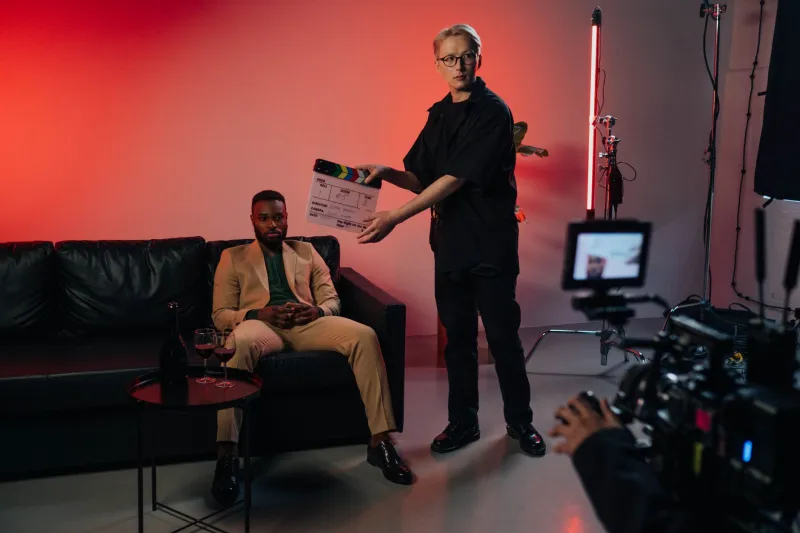
There's an old Hollywood playbook that basically never changed for decades. You want a sure thing at the box office? You grab a name everyone recognizes, slap it on a poster, and watch the opening weekend numbers roll in. Tom Cruise. Will Smith. Julia Roberts. The logic was simple: familiarity breeds ticket sales.
Something has shifted, though. Quietly at first, and now pretty loudly. Studios are increasingly handing the keys to their most expensive, highest-stakes productions to actors who don't have a single franchise credit to their name. And weirdly? It's working more often than it probably should.
The Old Formula Is Getting Stale
Here's the uncomfortable truth that nobody in Hollywood wants to say out loud: A-list stars don't guarantee hits anymore. The era when attaching a megastar to a project was basically a financial guarantee started cracking somewhere around the early 2010s and has been crumbling ever since. Audiences have gotten pickier. They're not just buying a face — they're buying a story, a world, an experience.
When a franchise already has built-in brand recognition — think comic book universes, legacy sequels, or beloved novel adaptations — the argument for spending $20 million on a single established actor starts to feel a lot shakier. Why pay for the name when the name on the marquee is already the franchise itself?
That's the opening that casting directors have been quietly exploiting, and the results are reshaping how studios think about risk.
What Casting Directors Are Actually Looking For
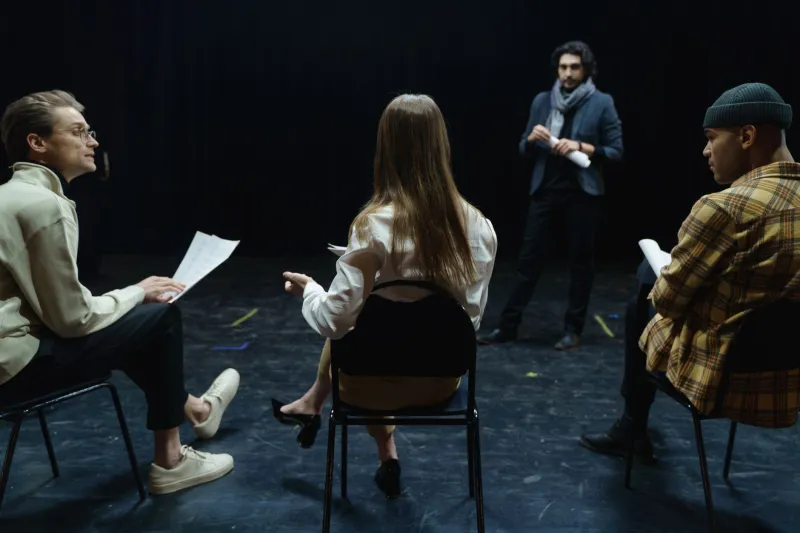
Talk to anyone working in casting right now and you'll hear a version of the same thing: the audition room has changed. The checklist has evolved. It's less about who has the biggest social media following or the most recent awards buzz, and more about who can carry the specific emotional weight of a particular story.
"You can teach someone to hit their mark," one veteran casting director explained in a recent industry roundtable. "You can't teach someone to make an audience feel something real in the middle of a $200 million spectacle."
That search for authenticity over celebrity is pushing casting teams toward theater actors, international performers, and people who've been grinding away in smaller productions for years without ever breaking through. The pipeline has widened considerably, and social media has actually helped — a compelling performance in a short film or an indie drama can now reach the right eyes faster than ever before.
The Financial Logic (and the Very Real Risk)
Let's be honest about the math here, because it matters. When a studio greenlights a $150 million tentpole film and casts a relative unknown in the lead, they're making a calculated bet that the property itself is the draw. The bet pays off when the franchise delivers and the new face becomes the next big thing. It blows up spectacularly when neither the property nor the actor lands with audiences.
The upside is significant. An unknown actor costs a fraction of what an established star demands. Those savings can go back into production quality, marketing, or simply make the film more financially viable from the start. If that actor then becomes a breakout star because of the film, the studio has essentially created its own asset — someone they can lock into sequels and spinoffs at reasonable rates before the agent fees explode.
The downside is equally real. Without a marquee name to anchor press tours and drive early interest, marketing campaigns have to work harder. International markets — which now account for a massive chunk of blockbuster revenue — can be trickier to crack when the lead isn't already a recognized face in those territories.
When the Gamble Actually Pays Off
History has handed us some pretty compelling evidence that this strategy can work brilliantly. Some of the most iconic franchise performances of the past two decades came from actors who were largely unknown quantities at the time of casting. The studio took a swing, the actor delivered, and suddenly everyone was acting like it was obvious all along.
What those success stories tend to have in common isn't luck — it's preparation and fit. The best unconventional casting decisions happen when there's a genuine alignment between what the role demands and what the actor can uniquely bring to it. When casting teams do their homework and find someone who was essentially built for a specific part, the audience responds to that authenticity even if they can't quite articulate why.
The failures, on the other hand, often come from casting an unknown as a cost-cutting measure without doing the deeper work of figuring out whether the fit is actually there. Using an unfamiliar face as a budget line item rather than a creative choice is where studios get burned.
The Franchise Machine Needs Fresh Faces
There's also a structural reason why this trend isn't going away anytime soon. The blockbuster ecosystem runs on sequels, prequels, spinoffs, and connected universes. That model requires a constant supply of new characters and new performers to keep audiences engaged across years and sometimes decades of storytelling.
You simply can't populate that kind of sprawling narrative universe with established stars. There aren't enough of them, they cost too much, and frankly, a familiar face sometimes works against you when you're trying to introduce a brand-new character into an established world. Audiences bring too much baggage.
Fresh talent solves multiple problems at once. It keeps costs manageable, allows for longer-term franchise planning, and — when it works — creates the kind of exciting discovery moment that audiences genuinely love. There's something uniquely satisfying about watching someone become a star in real time.
The Audience Has a Vote Too
All the studio logic in the world doesn't matter if audiences don't show up. And here's where things get interesting: American moviegoers have demonstrated, repeatedly, that they'll embrace an unknown actor when the performance earns it. The barrier isn't the name on the poster — it's the quality of what ends up on screen.
Social media has actually accelerated this process. A genuinely compelling performance gets clipped, shared, and discussed at a scale that didn't exist fifteen years ago. An unknown actor can go from completely off the radar to everywhere in a matter of days if the film connects.
That feedback loop is changing the calculus for studios in real time. The risk of casting an unknown isn't quite what it used to be, because the reward mechanism has gotten faster and louder.
The Playbook Is Being Rewritten
None of this means A-list stars are disappearing from blockbusters. They're not. But the assumption that you need one to make a major franchise film work has been seriously challenged, and the industry is adjusting accordingly.
Casting directors are getting more creative, studios are getting more flexible, and audiences are getting more adventurous. The result is a blockbuster landscape that's genuinely more unpredictable than it was a decade ago — which, if you actually enjoy movies, is probably a good thing.
The biggest gambles don't always pay off. But the ones that do? They tend to be the films people are still talking about years later.