Gone Without a Goodbye: The Quiet Erasure of Shows You Loved
Remember that show you told all your friends about? The one you swore was a hidden gem, the one you planned to rewatch someday? Go look for it right now. There's a decent chance it's just... gone.
This isn't paranoia. It's the new normal in streaming, and it's happening faster than most people realize. What started as a golden age of television — more content than anyone could ever watch — has quietly curdled into something that feels a lot more like loss.
The Promise vs. the Reality
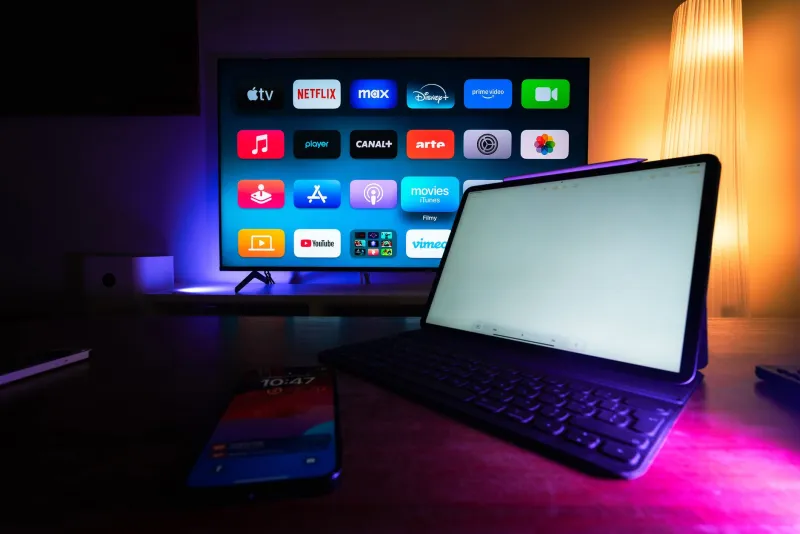
When Netflix first disrupted cable back in the early 2010s, the pitch was simple: pay one monthly fee, watch everything, keep it forever. It felt revolutionary. Then came Hulu, then Amazon Prime Video, then Disney+, then Peacock, then HBO Max (now just Max), then Paramount+, then Apple TV+, and so on until your credit card statement started looking like a streaming directory.
With all that competition came a brutal financial reality. These platforms aren't charities. They're publicly traded companies, or divisions of massive media conglomerates, answering to shareholders who want to see profit — not passion projects. And when the numbers get tight, content is the first thing on the chopping block.
In 2022 and 2023 alone, Warner Bros. Discovery removed dozens of titles from Max, including fully produced films that never even got a theatrical release. HBO series with devoted fan bases disappeared without so much as a press release. Netflix canceled shows after a single season so routinely that viewers started joking about not getting attached to anything new until it hit its second year.
The Tax Write-Down Nobody Talks About
Here's the part that really stings: some of these shows aren't just being removed. They're being deliberately buried for financial reasons most viewers don't fully understand.
When a streaming platform writes off content — essentially declaring it a financial loss on their books — they can receive a tax benefit. Keeping that content available, even at minimal cost, can actually complicate that write-down. So the incentive, perversely, is to make the content disappear entirely.
"It's not about whether people are watching it," one industry analyst explained in a recent trade publication. "It's about whether keeping it on the platform costs more than the tax advantage of removing it. For a lot of mid-tier content, the math just doesn't work out in favor of the audience."
For fans, that math is devastating. Shows like Minx, Gordita Chronicles, and An American Pickle all got swept up in these kinds of decisions. One day they were there. The next, they weren't — and there was no physical copy, no DVD release, no archive to fall back on.
What Happens to the Culture?
This is where it gets genuinely concerning beyond just the frustration of a missing show. Television and film are cultural artifacts. They document how we lived, what we laughed at, what scared us, what we argued about around the dinner table. When those artifacts vanish from accessible platforms, they don't just disappear from entertainment options — they disappear from the cultural conversation.
Librarians and archivists have been sounding this alarm for years. Physical media — DVDs, Blu-rays, even VHS tapes — could be preserved in libraries and personal collections. Streaming content exists in a kind of digital limbo where the platform owner holds all the cards.
"We're entering a period where entire bodies of work could become inaccessible within a generation," said one media studies professor quoted in a recent Variety piece. "The streaming model was never built around preservation. It was built around subscriptions."
Fans of canceled shows have started organizing in response. Online communities on Reddit and Discord track which titles are at risk, maintain spreadsheets of removed content, and campaign loudly when a favorite series gets the axe. The #SaveOurShow hashtag has become practically its own genre on social media.
The One-Season Trap
Beyond the removal issue, there's the equally maddening pattern of canceling shows after a single season — often before the story has any chance to find its audience.
Streaming platforms judge performance quickly, sometimes within days of a premiere, based on proprietary metrics they don't fully share with the public or even the creators. A show that might have built a devoted following over two or three seasons on traditional network TV gets the plug pulled before it ever hits its stride.
1899, the acclaimed German-language Netflix thriller, was canceled despite massive viewership numbers and a passionate global fanbase. The showrunners found out via social media. Another Life, I Am Not Okay with This, Teenage Bounty Hunters — the list of one-and-done casualties is long and genuinely heartbreaking for the people who made them and the people who loved them.
"You invest emotionally in these characters and these worlds," said one fan in an online forum dedicated to canceled shows. "And then it's just over, with no ending, no resolution. It's like someone ripped the last chapter out of a book."
Is There Any Good News?
Maybe a little. The backlash has been loud enough that some platforms are starting to listen — or at least pretend to. Netflix has experimented with limited series formats that tell complete stories in one go, reducing the sting of cancellation. Some canceled shows have found second lives on other platforms; Cobra Kai famously moved from YouTube Premium to Netflix and became a massive hit.
There's also a growing conversation about physical media making a comeback, driven largely by collectors and cinephiles who don't trust the cloud to keep their favorites safe. Boutique labels like Criterion and Shout Factory have built loyal audiences around the idea that owning a film or series matters.
And some streaming platforms, particularly Apple TV+ and Amazon, have signaled a willingness to let prestige projects breathe a little longer before pulling the trigger on cancellation.
But let's be real: the structural incentives haven't changed. As long as streaming platforms prioritize subscriber growth and quarterly earnings over cultural stewardship, the erasure will continue.
What You Can Do
If you've got a show you love, watch it now. Tell people about it loudly. Leave reviews. Engage with it on social media. The metrics platforms use to make cancellation decisions are, at least in part, shaped by visible audience engagement.
And maybe — just maybe — consider picking up a physical copy of something you genuinely treasure. Because in the current streaming landscape, "available now" doesn't mean "available forever."
The buffet was always going to have limits. We just didn't expect them to start clearing the plates while we were still eating.