If a Movie Bombs in the Forest: How Hollywood Hides Its Biggest Disasters

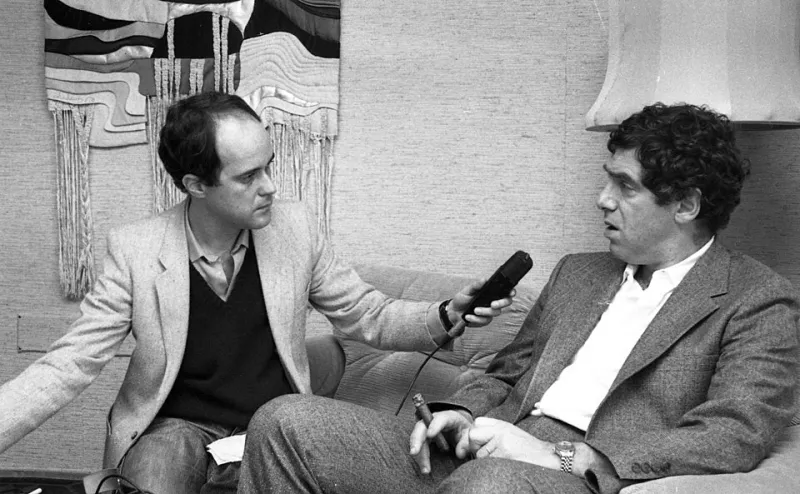
Photo: Eden, Janine and Jim from New York City, CC BY 2.0, via Wikimedia Commons
Here's a question worth sitting with: how many genuinely terrible, astronomically expensive movies have you never heard of? Not because they weren't made — they absolutely were — but because the studios that made them got very, very good at making sure you'd never have the chance to form an opinion about them.
Hollywood has always had a complicated relationship with failure. Nobody in that business likes admitting they blew $200 million on something that didn't work. But over the last decade or so, the industry has quietly evolved from simply spinning bad news into something more sophisticated — and honestly, more troubling. Studios aren't just managing failure anymore. They're erasing it.
The Limited Release Disappearing Act
When a studio knows it has a problem on its hands, the first tool in the toolkit is the limited theatrical release. On paper, it sounds almost prestigious — like the movie is some kind of thoughtful indie that just happens to be playing in twelve cities. In practice, it's a controlled detonation.
By releasing a film in only a handful of markets, studios accomplish a few things at once. They technically fulfill contractual obligations that required a theatrical run. They generate just enough box office data to claim the movie "opened" without exposing it to the kind of wide-release weekend numbers that would become instant headlines. And they keep critics at arm's length — when screeners are limited and press access is restricted, the review count stays low, which means the film's Rotten Tomatoes score never fully forms. No score, no story.
This isn't speculation. It's a pattern that anyone paying close attention to release calendars has noticed. Movies with massive production budgets quietly appear in a few hundred theaters on a random Thursday, collect a few million dollars over a long weekend, and then disappear — either to a streaming platform or straight into the vault.
The Streaming Dump: Where Movies Go to Be Forgotten
Streaming changed a lot of things about entertainment, and one of the less-discussed changes is how perfectly it serves as a burial ground for expensive mistakes.
When a film gets "dropped" onto a streaming platform without fanfare — no press tour, no premiere, no promotional push — it's rarely because the studio is being humble. It's because they've calculated that the movie will generate less embarrassment sitting quietly in a platform's library than it would facing actual box office scrutiny. The algorithm buries it, nobody talks about it, and the financial disaster gets folded into a quarterly earnings report as a line item that most people will never look closely at.
The particularly clever part? Streaming platforms don't release viewership numbers in any standardized, auditable way. Netflix will occasionally drop a "Top 10" stat when it suits them. But nobody outside those companies knows what a movie actually cost versus what it returned. That opacity is enormously valuable to studios trying to avoid accountability.
Strategic Silence as a PR Tool
Beyond the mechanics of release strategy, there's also the quieter art of simply not talking about something. Studios have press departments whose entire job is to generate buzz — but those same departments are equally skilled at generating silence when the situation calls for it.
When a film is struggling, you'll notice that the usual promotional machinery just... stops. The director stops giving interviews. The cast's social media goes quiet on the subject. Trade publications, which depend on studio relationships for access to future projects, tend to go soft on the coverage. It's not a conspiracy exactly — it's just the way incentive structures work. Nobody wants to burn a bridge over one bad movie.
Meanwhile, the studio quietly pivots its public narrative. Maybe there's a sudden announcement about an upcoming project from the same director. Maybe a different film from the same studio gets a big press push that week. The goal is to fill the conversation with something else before the bad news has time to solidify into a permanent part of the studio's reputation.
What We Actually Don't Know
Here's the part that should bother anyone who cares about how this industry works: we genuinely don't know the full scope of Hollywood's financial failures. The numbers that get reported — production budgets, domestic box office, opening weekend grosses — are only part of the picture, and studios control which parts of that picture become public.
Marketing costs, which can sometimes match or exceed production budgets, are almost never disclosed. Distribution deals, backend agreements, and streaming licensing fees operate in the dark. A movie that "earned" $80 million at the domestic box office might have cost $300 million to make and market. Or it might have already been partially financed by a streaming deal that made it profitable before a single ticket was sold. You won't know. You're not supposed to know.
This matters because the entertainment industry's economics shape what gets made next. When failures are hidden, the lessons that should follow from those failures don't get learned — at least not publicly. The same kinds of bloated, poorly-conceived projects keep getting greenlit because nobody has to stand up and explain in plain terms what went wrong with the last one.
The Audience Pays Anyway
There's an argument that none of this matters to regular viewers. If you never see a bad movie, does it hurt you? Maybe not directly. But the culture of secrecy has a downstream effect on what kinds of stories get told and what kinds of risks studios are willing to take.
When failure is invisible, studios don't feel the pressure to change their approach. Original ideas stay risky because there's no honest data about what original ideas have actually done. Franchise sequels keep getting made because nobody wants to be the first person to admit the franchise has run its course. The whole ecosystem calcifies around protecting itself rather than serving audiences.
And somewhere out there, there are dozens of movies you never saw — some of them probably genuinely interesting, some of them probably disasters, most of them somewhere in between — that just quietly ceased to exist because someone with a spreadsheet decided that was better for the quarterly numbers.
The forest is full of falling trees. Hollywood just got really good at muting the sound.