No Ending, No Warning, No Apology: Streaming's Habit of Leaving You Hanging
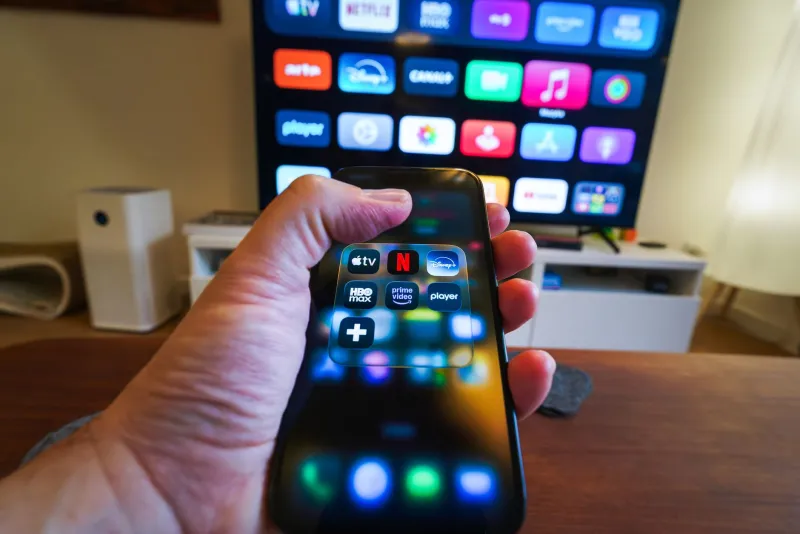
Somewhere out there, a character you genuinely cared about is still standing in a burning building. A couple you rooted for through three seasons is still mid-fight. A mystery that took two years to build is just... unsolved. Not because the writers ran out of ideas. Not because the actors walked. Because a platform quietly updated its catalog one Tuesday morning and the show was just gone.
Welcome to the era of the quiet cancellation — streaming's least-talked-about and most-frustrating gift to television audiences.
The New Math of Cancellation
Here's the thing about streaming platforms: they don't operate on the same logic as traditional broadcast networks. When NBC or CBS cancels a show, there's usually a paper trail — ratings, advertiser pressure, network scheduling decisions. It's not pretty, but it's legible.
Streaming platforms answer to a different set of numbers entirely. Subscriber acquisition, retention rates, cost-per-hour-viewed — these are the metrics that actually determine whether your favorite show survives. And the uncomfortable truth is that a show's second or third season, no matter how critically beloved, often costs significantly more to produce than its first while delivering diminishing returns on new subscriber signups.
"The first season of a show is a marketing tool," one former development executive told us, speaking on background because they still work in the industry. "By season three, you're mostly just keeping existing subscribers happy. And the math on that is brutal."
That math has led to a wave of cancellations that leave stories structurally incomplete. Shows like 1899, Minx, The OA, and Everything Sucks! all ended without resolution — not because they were bad, but because the platform's calculus shifted before the story could finish.
Creators Caught in the Middle
For showrunners and writers, the quiet cancellation isn't just disappointing — it's professionally damaging in ways audiences rarely consider. Television writers build careers on complete bodies of work. A show that ends on a cliffhanger because a platform pulled funding mid-production doesn't just frustrate fans; it leaves creators holding an incomplete portfolio.
"You pitch a story with a beginning, middle, and end," says one TV writer who asked to remain anonymous. "When the platform cancels you after the middle, you don't get to show anyone what the end looked like. That's years of your life that just... stops."
Some creators have tried to fight back. Showrunners have taken to social media to advocate for their canceled shows. Cast members have launched fan campaigns. Occasionally it works — Arrested Development got a revival, Manifest found a second life on Netflix after NBC dropped it. But those are exceptions, not the model.
The more common outcome is silence. A brief statement from the platform. A social post from the cast. And then nothing.
Why Fans Feel It Differently Now
There's an argument that TV cancellations have always been brutal — and that's true. Firefly was canceled after one season in 2002 and fans are still mad about it. Freaks and Geeks ended before it could find its audience. Abrupt endings are not new.
What's different now is the intimacy of the viewing experience combined with the algorithmic promise that the story would continue. Streaming platforms don't just air shows — they actively recommend them, build watch lists around them, and send push notifications when new seasons drop. The platform itself becomes a kind of implicit contract: we think you'll love this, keep watching.
When that contract gets broken mid-story, it feels more personal than a traditional network cancellation. You were told to invest. You did. And then the platform ghosted you.
Social media makes it louder, too. Cancellation announcements that might have once been buried in a trade publication now spread across Twitter and Reddit within minutes, generating waves of grief and outrage that can trend nationally. The discourse around a cancellation sometimes outlasts the actual show's cultural footprint.
The Closure Problem Nobody Wants to Solve
Some platforms have experimented with solutions. Netflix has occasionally allowed showrunners to film abbreviated final episodes when cancellation is announced late in production. A handful of canceled shows have been picked up by competitors willing to fund a conclusion. But these are patchwork fixes, not systemic solutions.
What would a real solution look like? Some industry observers have suggested that platforms adopt a "limited series" model more aggressively — commissioning shows with defined endpoints from the start so cancellation can't leave stories unfinished. Others have proposed that platforms be required to disclose cancellation decisions earlier in production cycles so creators can at least adjust storylines.
Neither fix is particularly convenient for the platforms. Defined endpoints limit flexibility. Earlier disclosure creates PR headaches. So instead, the industry mostly shrugs and moves on to the next launch.
What Audiences Can Actually Do
Honestly? Not much — and that's the most frustrating part. Petition campaigns rarely work. Hashtag movements occasionally generate press coverage but almost never reverse a cancellation decision. The economics are simply too entrenched.
What audiences can do is be more deliberate about where they put their attention. Platforms do track engagement, and shows that generate consistent, passionate viewership over time are marginally safer than shows with big premiere numbers that drop off. Finishing a series, rewatching it, recommending it to friends — none of this is guaranteed protection, but it's not nothing either.
The other thing audiences can do is be honest about the frustration. The quiet cancellation has become normalized enough that it barely generates news coverage anymore. Calling it out — loudly, consistently — at least keeps the conversation alive.
Because at the end of the day, somebody wrote those unresolved storylines. Somebody acted them out. And a lot of somebodies watched them, cared about them, and deserved to see how they ended.
They still do.