Stars Are Done Waiting for the Phone to Ring — They're Building Their Own Studios
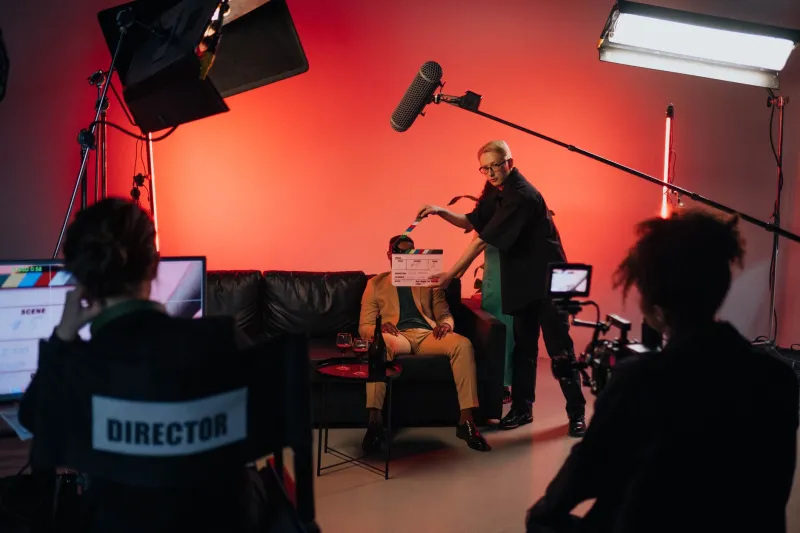
For decades, the deal was simple: you got famous, you got an agent, and then you waited for a studio executive to decide your career was worth betting on. Hollywood ran on gatekeeping the way Las Vegas runs on house odds — the system was designed to make sure the people at the top stayed there. But somewhere between the streaming wars, the pandemic, and about a thousand contract disputes, a growing number of A-listers figured out they didn't have to play that game anymore.
They started building their own tables.
The Setup Is Changing Fast
It used to be that a production company with a celebrity's name on the door was mostly a vanity project — a fancy way to get a slightly better parking spot on the lot. Not anymore. What's happening now is different in kind, not just degree. Established stars with real cultural capital are walking away from traditional studio arrangements and either launching their own streaming platforms, backing independent ones, or building production infrastructure that lets them own their content outright.
The economics driving this are pretty straightforward once you look at them. Streaming platforms spent years handing out eye-watering deals to lure talent — and talent noticed what those deals actually looked like on the back end. When you sign with a major studio or a legacy streamer, you get a check upfront and then largely surrender control over everything from casting to release timing to whether your project even sees the light of day. The studio owns the IP. The studio decides the marketing budget. The studio decides when to pull the plug.
Owning your own shop flips that entire equation.
What the Math Looks Like Now
Here's the thing about creator-owned platforms and production companies that doesn't get talked about enough: the barrier to entry has dropped dramatically. Cloud-based distribution infrastructure, direct-to-consumer subscription tools, and social media marketing have all gotten cheap enough that building a viable independent streaming venture is no longer a pipe dream reserved for tech billionaires.
When a major star with 20 million Instagram followers launches their own platform or signs an exclusive deal with a scrappy independent streamer rather than Netflix or Hulu, they're bringing their audience with them. That's leverage the old system never had to account for. Studios used to control distribution, which meant they controlled access to audiences. That's just not as true as it used to be.
Some celebrities are going even further — not just producing content but building subscription ecosystems around themselves. Fitness content, behind-the-scenes access, early releases, direct fan interaction. The entertainment product and the parasocial relationship have merged into one monetizable package, and the major studios have no clean way to compete with that kind of intimacy.
The Gatekeepers Are Feeling It
Hollywood's traditional power structure isn't collapsing overnight — let's be clear about that. The major studios still control massive franchises, theatrical releases, and the kind of global marketing machinery that independent ventures simply can't replicate. If you want your movie to open in 4,000 theaters on a holiday weekend, you still need those relationships.
But the leverage has shifted in ways that are hard to ignore. When a bankable star can credibly threaten to take their project somewhere else — or build their own somewhere else — negotiations look different. Studios that once held all the cards are increasingly finding themselves competing for talent rather than simply selecting it.
There's also a generational dimension here. Younger stars who built their audiences on YouTube, TikTok, or podcasts before they ever set foot on a traditional set have a fundamentally different relationship with the concept of a studio deal. They grew up understanding that you can monetize an audience directly. Signing over creative control to a legacy institution doesn't feel like an opportunity to them — it feels like a concession.
Not Everyone Makes It Out
It's worth pumping the brakes a little here, because the narrative of "stars breaking free and thriving" has some gaps in it. For every celebrity-backed venture that finds a real audience, there are others that quietly disappear after burning through a lot of money and goodwill. Running a media company is genuinely hard. Distribution is hard. Content acquisition is hard. Being famous does not automatically translate into being a good executive.
There's also the question of what "independent" really means at scale. Several high-profile celebrity streaming ventures have ended up getting acquired by or folded into larger platforms after struggling to sustain subscriber growth. The dream of total creative and financial independence often runs into the reality that reaching a mass audience still requires infrastructure and capital that most individuals — even very wealthy ones — can't sustain alone.
So the picture is messier than the headlines suggest. This isn't a clean story about talent finally seizing power from the suits. It's more like a renegotiation — ongoing, unresolved, and playing out differently depending on who you're talking about.
What It Means for the Rest of Us
From an audience perspective, this shift has some genuinely interesting implications. Creator-owned content tends to be more idiosyncratic — less focus-grouped, more willing to take weird swings, more directly reflective of whoever's name is on the door. That can be a feature or a bug depending on your taste, but it's at least a change from the relentless franchise optimization that dominates studio output.
It also means the entertainment landscape is getting more fragmented, which — look, we know, you're tired of hearing about fragmentation. But this version of it is different from the streaming subscription pile-up everyone's already exhausted by. This is fragmentation driven by individual creative voices rather than corporate content libraries, and that's a more interesting kind of chaos.
The old Hollywood deal was: we make the content, you consume it, everyone knows their role. What's replacing it is something less tidy and more interesting — a sprawling, decentralized entertainment ecosystem where the people who used to just show up on screen are increasingly the ones deciding what gets made in the first place.
Whether that's genuinely disruptive or just a reshuffling of who sits at the top of the same old hierarchy is still an open question. But the fact that it's a question at all says something about how much the ground has shifted.