From the Sidelines to the Spotlight: How Character Actors Quietly Took Over Hollywood
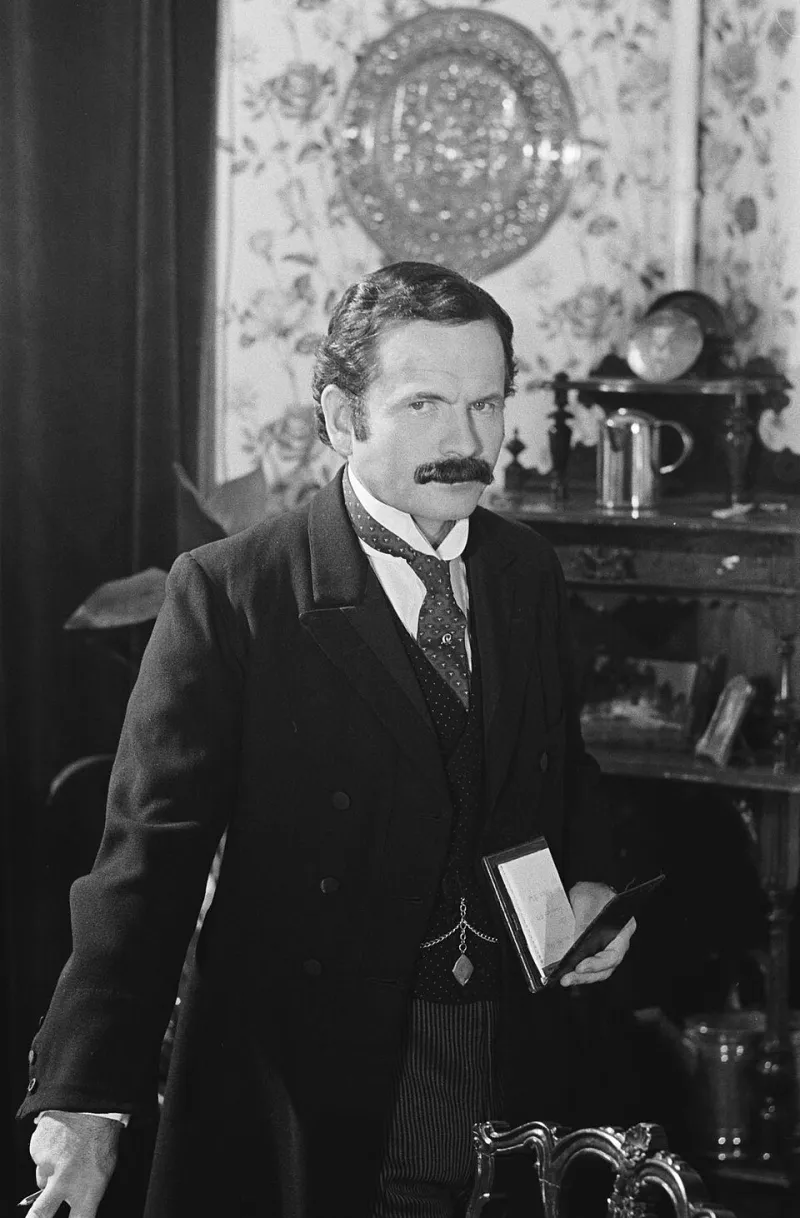
Photo: Geoff Charles, CC BY-SA 4.0, via Wikimedia Commons
There's a specific kind of actor you've spent years loving without ever knowing their name. They're the sarcastic coworker, the wisecracking sidekick, the villain who almost steals the whole movie. You'd see them pop up and go, oh, that guy — and feel genuinely happy about it. Somewhere between 2019 and right now, that guy became the lead. And studios couldn't be more relieved.
Hollywood's traditional star system — the one built around names so big they could open a film on sheer brand recognition alone — is wobbling. The old model assumed that slapping a certain face on a poster guaranteed butts in seats. That math doesn't really work anymore. What's replacing it is something a lot more interesting, and a lot more democratic.
The A-List Problem Nobody Wants to Talk About
Here's an uncomfortable truth the industry has been dancing around: genuine movie stars, in the classic sense, are an endangered species. The ones who remain — your Toms, your Denzel, your Meryl — are either aging out of certain roles or so expensive that studios are gambling tens of millions before a single frame is shot.
Meanwhile, audiences have changed. They're not showing up because of who is in something. They're showing up because of what it is — the IP, the franchise, the buzzy premise they saw dissected in seventeen TikTok videos. When the movie or show itself is the draw, you don't necessarily need the most famous face alive. You need someone good.
Enter the character actor era.
Streaming Broke the Old Rules Wide Open
Netflix, Hulu, Max, and the rest didn't just change how we watch things. They fundamentally rewired what we think a star looks like. On a streaming platform, a show doesn't need a marquee name to get greenlit — it needs a compelling concept and a cast that can actually perform. That opened the door for actors who'd spent years being the best thing in projects they weren't technically the lead of.
Take someone like Pedro Pascal. For most of his career, he was a recognizable face doing excellent work in supporting and secondary roles — a Oberyn Martell here, a Javier Peña there. Then The Mandalorian happened, and suddenly he's everywhere, carrying prestige projects and franchise films. He didn't change. The system's tolerance for his type of talent finally caught up to what audiences already knew.
Or consider Awkwafina, who bounced between scene-stealing supporting turns in Crazy Rich Asians and Ocean's 8 before landing leading roles that let her actual range breathe. The streaming and indie film ecosystem gave her room to prove she wasn't just comic relief.
The Social Media Factor Is Massive
There's another piece of this puzzle that's easy to underestimate: parasocial relationships built entirely outside of traditional media. Character actors who've spent years doing press junkets, conventions, and genuinely engaging with fans online have cultivated audiences that are intensely loyal — sometimes more so than followers of bigger names who feel distant and carefully managed.
When an actor has been showing up at fan events for a decade, answering questions with actual enthusiasm, and posting content that feels real rather than PR-approved, their fanbase becomes something powerful. Studios have noticed. An actor with a deeply engaged following of 2 million is sometimes worth more to a production than a distant celebrity with 20 million passive followers who'll double-tap but not buy a ticket.
The math on bankability has genuinely shifted.
Strategic Choices Matter More Than Ever
What's also become clear is that the actors making this transition aren't doing it by accident. There's a deliberate quality to how they're navigating their careers. They're picking projects with strong writing over projects with big budgets. They're choosing roles that let them show range rather than just collect a paycheck. They're building filmographies that tell a coherent story about what kind of performer they are.
Actors like Niecy Nash-Betts, who spent years being the funniest person in whatever room she walked into, made a calculated pivot toward dramatic work — and Dahmer reminded everyone that she was always capable of something devastating. That's not luck. That's a career strategy executed with patience.
Similarly, Ke Huy Quan's extraordinary comeback arc — from child actor to decades of near-absence to Oscar winner in Everything Everywhere All at Once — is partly a story about an industry finally making room for talent it had previously shut out. But it's also a story about someone who stayed ready, stayed connected to the craft, and said yes to the right project when it came.
Why Studios Are Actually Happier With This Arrangement
Here's the part that might surprise you: from a purely business standpoint, studios often prefer working with this new wave of leading players over traditional A-listers. The reasons are pretty straightforward.
First, cost. An actor who's been a supporting player until recently doesn't command the same salary as an established star, at least not initially. That means more budget flexibility for the things that actually make a good movie or show — writing, production value, supporting cast.
Second, flexibility. These actors are often more collaborative, more willing to take direction, and less surrounded by layers of management that can complicate a production. They haven't developed the kind of clout that lets them demand script changes or director replacements.
Third — and this is the big one — they're hungry. There's an energy that comes from someone finally getting their shot after years of proving themselves in smaller spaces. That translates on screen in ways that are genuinely difficult to manufacture.
The Audience Figured This Out First
If we're being honest, viewers were ahead of the industry on this one. Fans have been screaming about underutilized character actors for years. The discourse around 'that actor who deserves their own show' is basically its own genre of online content at this point. Studios spent a long time treating that enthusiasm as a cute side note rather than a market signal.
Now they're listening. Not out of generosity — out of necessity. The old formulas aren't printing money the way they used to, and the talent that's actually moving the needle increasingly looks like the person who used to be third on the call sheet.
The sidelines were always full of stars. Hollywood just took its time figuring that out.