Keep It Real: Why American Audiences Have Stopped Trusting Hollywood to Tell the Truth
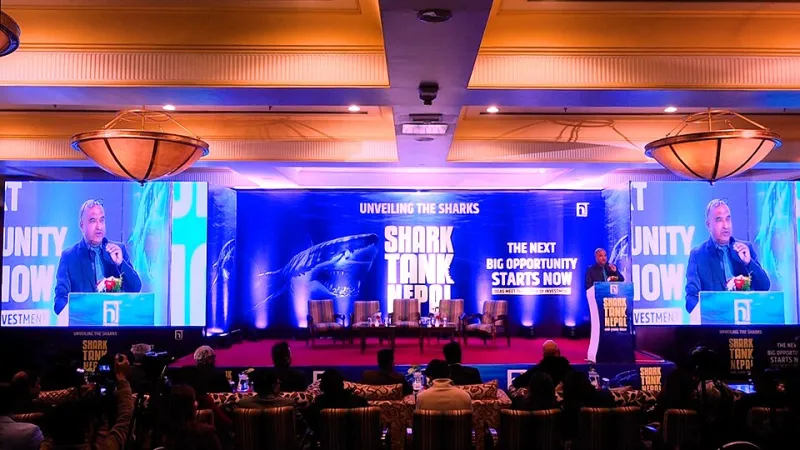
Photo: Gunjan Raj Giri, CC0, via Wikimedia Commons
Let's get something straight before we go any further: The Real Housewives is not accidental television. Neither is Survivor, The Bachelor, Love Is Blind, or the dozen documentary series that have crept into your watchlist alongside the prestige dramas your film-school friends keep recommending. The explosion of unscripted content dominating American viewing habits isn't a phase, and it's not about audiences getting dumber. It's about something much more interesting — and, honestly, a little uncomfortable for traditional Hollywood to hear.
American audiences have a trust problem. And they're solving it by turning the channel.
The Numbers Don't Lie (Even If Reality TV Sometimes Does)
For a minute, consider what's actually topping the ratings charts these days. The Traitors became the most talked-about show on Peacock within weeks of its US debut. Love Is Blind consistently breaks Netflix viewership records. The Bachelor franchise has been running for over two decades and still commands appointment television energy. Meanwhile, scripted dramas — even the prestige ones with A-list casts and nine-figure budgets — are struggling to generate that same kind of passionate, communal viewership.
The numbers bear this out. According to Nielsen data from the past couple of years, unscripted programming has consistently outperformed scripted content in live and same-day viewership. Reality competition shows in particular have maintained cultural staying power that most scripted series can only dream about.
Something is going on here that goes beyond simple taste. Audiences aren't just choosing reality TV because it's easy or mindless — a lot of it isn't. They're choosing it because it scratches an itch that scripted television increasingly fails to reach.
The Authenticity Gap
Here's the irony that should keep Hollywood executives up at night: reality television is, famously, not very real. Producers shape storylines. Editors manufacture drama. Contestants are coached, circumstances are engineered, and the whole enterprise is about as spontaneous as a Super Bowl halftime show. Everyone knows this.
And yet it still feels more authentic than a lot of scripted content. Why?
Because the people on screen are real people. Their faces do things that actors' faces don't always do. When someone cries on The Real Housewives of New York, there's a rawness to it — even if the situation that caused the tears was orchestrated — that a scripted breakdown in a prestige drama can't always match. You're watching an actual human being respond to something. That's a different experience, and audiences feel the difference even when they can't articulate it.
Media culture researcher and author Priya Nandan, who has written extensively about the relationship between audiences and authenticity, frames it this way: "Scripted television asks you to accept a constructed reality and emotionally invest in it. That's always required a degree of trust. And right now, a lot of American audiences are in a low-trust moment culturally. They're skeptical of institutions, of media, of manufactured narratives. Reality TV sidesteps some of that skepticism because the raw material — the actual humans — is right there."
Influencers Ate the Actor's Lunch
The shift doesn't stop at reality television. Look at who's generating genuine cultural heat in 2024. It's not always the traditionally trained actor with the IMDB page and the SAG card. It's the YouTuber, the TikTok personality, the Instagram star who built an audience of millions by being themselves — or at least a very consistent, very watchable version of themselves.
MrBeast doesn't need a director. Emma Chamberlain built a media career without a single scripted role. Alix Earle became more recognizable to Gen Z than most working actors in Hollywood, and she did it by talking into a camera in her bathroom.
The entertainment industry is starting to notice. Reality competition shows have begun casting influencers and content creators alongside traditional reality TV personalities. The Traitors UK put YouTubers in the mix. American versions of similar shows have followed suit. The logic is simple: these people already have audiences who feel like they know them. That parasocial relationship is a built-in advantage that no amount of acting school can manufacture.
For traditional actors, this is genuinely disorienting. You spend years learning your craft, building your résumé, grinding through auditions — and then someone with a ring light and a million followers walks in and generates more genuine viewer investment on their first episode than you might in a whole season.
What This Says About Scripted TV's Future
None of this means scripted television is dying. Let's be clear about that. There will always be an audience for great writing, great performance, and great storytelling. The Bear, Succession, Severance — these shows prove that when scripted content is firing on all cylinders, it creates a depth of experience that no reality show can fully replicate.
But the middle of the market — the competent, adequately-budgeted, reasonably-cast scripted drama that used to fill network schedules — is in real trouble. That kind of content no longer has a natural home or a guaranteed audience. It competes directly with reality content that costs a fraction of the budget to produce and generates comparable or better engagement.
Networks and streamers have done the math. Unscripted content is cheaper, faster to produce, and when it works, it generates the kind of ongoing social media conversation that money can't buy. A single episode of a reality competition show can generate more Twitter (sorry, X) activity in one night than a scripted drama generates in a full season.
That economic reality is going to continue reshaping what gets greenlit, what gets canceled, and what kind of careers are viable in the entertainment industry going forward.
Can Hollywood Win Back the Room?
Some creators are trying to meet audiences in the middle — blurring the line between scripted and unscripted in ways that feel genuinely fresh. Docuseries that follow real people through real situations but with a strong editorial hand. Hybrid formats that use documentary aesthetics within fictional frameworks. Shows like Abbott Elementary that feel grounded and observational even though every word is scripted.
The instinct is right, even if the execution is still being figured out. Audiences aren't rejecting craft or storytelling. They're rejecting distance. They want to feel like what they're watching is connected to something real — real stakes, real people, real consequences.
Hollywood has always been in the business of manufacturing emotion. The challenge now is manufacturing it in a way that doesn't feel manufactured. That's a harder problem than it sounds. But given what's at stake — and given that audiences have already started voting with their remote controls — it's one the industry can't afford to keep ignoring.