Laugh Tracks Are Dead and Gen Z Killed Them on Purpose

Photo: Salar Arkan - سالار ارکان, CC BY-SA 4.0, via Wikimedia Commons
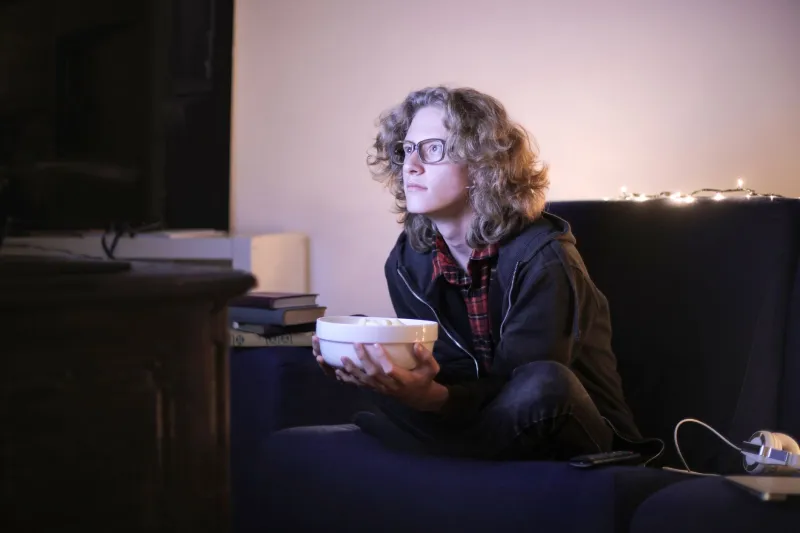
There's a specific kind of cringe that happens when you're watching an older sitcom with someone under 25 and the laugh track fires off after a joke that barely landed. You see it on their face — not amusement, not even mild irritation, but something closer to confusion. Like, who is that laughing, and why are they telling me this is funny?
That reaction, multiplied across millions of viewers, is quietly dismantling decades of television comedy convention. And honestly? It's about time.
The Canned Laugh Problem Nobody Wanted to Admit
Let's be honest about what a laugh track actually does. It's a prompt. A nudge. A little audio hand holding your shoulder and whispering, this is the part where you feel good. For a long time, it worked. Audiences were trained to respond to it the way Pavlov's dogs responded to a bell — not because the joke earned the laugh, but because the format said it was supposed to.
Gen Z didn't grow up with that conditioning in the same way. They grew up on YouTube, where a creator bombing mid-video just... kept going, awkwardly, and somehow that was more watchable than anything scripted. They grew up on TikTok, where a 17-second clip of someone's genuine reaction to something mundane could be funnier than a full half-hour network episode. The bar for "feeling real" got recalibrated fast.
So when they sit down with a traditional multicam sitcom and hear that familiar ha-ha-ha loop after a punchline, it doesn't feel warm or familiar. It feels like being managed. And Gen Z, more than any generation before them, hates feeling managed.
What "Naturalistic Comedy" Actually Means
The phrase gets thrown around a lot right now, but it's worth unpacking. Naturalistic comedy doesn't mean unscripted — it means the seams don't show. It means characters feel like people who exist when the camera isn't on them. It means the jokes come out of situation and personality rather than setup-punchline architecture.
Shows like Abbott Elementary figured this out by leaning into the mockumentary format in a way that felt genuinely observational rather than performative. The humor there lives in glances, in half-finished thoughts, in the specific exhaustion of people who care about something the institution around them doesn't. There's no laugh track because the format doesn't need one — the comedy earns its own response.
What We Do in the Shadows does something similar but weirder. The jokes are absurdist and often deeply strange, but they're delivered with total deadpan commitment. Nobody winks at the camera. Nobody pauses for a reaction. The show trusts you to catch up, and that trust is itself part of the joke.
Then there's something like The Bear, which is technically a drama but has been discussed more as a comedy in certain circles — which says something interesting about where the genre lines are blurring. It's tense, uncomfortable, often genuinely funny in the darkest possible way, and it never once tells you how to feel about any of it.
Networks Are Catching On, Slowly
The traditional broadcast networks have been the slowest to adapt, which makes sense — they built empires on the multicam sitcom format, and those empires don't crumble overnight. But even NBC and CBS have started hedging. Single-camera comedies with no laugh track have become more common on broadcast. The tone has gotten drier. Characters are allowed to be more specifically weird, more flawed in ways that don't resolve cleanly by the third act.
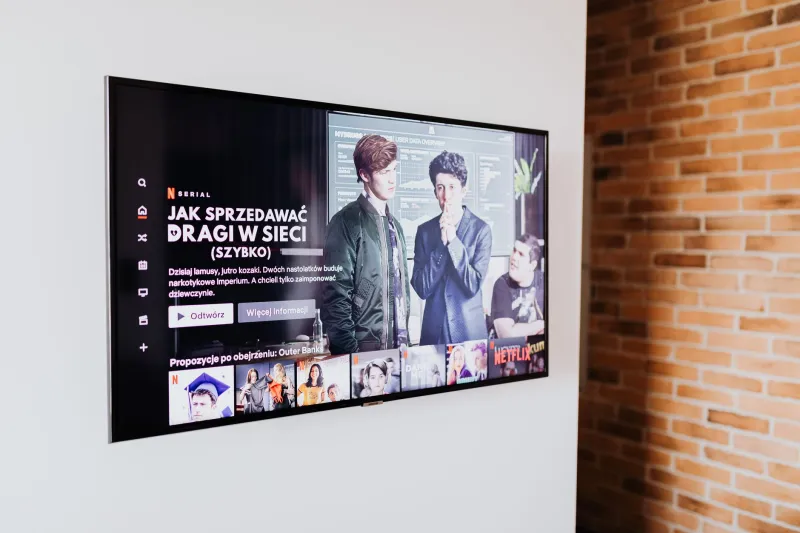
Streaming platforms, obviously, moved faster. Netflix, Hulu, and Max don't have the same advertiser-driven need for broad, inoffensive appeal, so they've been more willing to greenlight comedies that feel genuinely strange or uncomfortable. I May Destroy You, Fleabag (yes, British, but hugely influential in the US market), Pen15 — these are shows that could not have existed in the multicam era, and younger audiences found them and held on tight.
The data backs this up. When Netflix released internal engagement numbers a while back, the comedies pulling the biggest Gen Z audiences were almost uniformly single-camera, dialogue-heavy, and tonally inconsistent in the best way — able to be genuinely sad and genuinely funny within the same scene without treating either emotion as a disruption.
Authenticity Is the New Production Value
Here's the thing that's hard for legacy TV executives to fully internalize: for younger audiences, a higher production budget can actually work against a comedy. Too polished means too safe. Too safe means too calculated. Too calculated means someone is trying to make you laugh, and the moment you feel the effort, the laugh evaporates.
This is why a scrappy-looking show with naturalistic lighting and overlapping dialogue can outperform a glossy network comedy with a legendary showrunner attached. It's not that audiences don't appreciate craft — it's that they've redefined what craft looks like. Getting the lighting to feel like a real apartment is craft. Writing a joke that only works if you've been paying attention for three episodes is craft. Hiring a laugh track editor is not craft. It's infrastructure for a building nobody wants to live in anymore.
Social media has accelerated all of this, too. When a funny moment from a show clips well on TikTok or Twitter, it's almost never a traditional punchline. It's a weird reaction shot. It's a piece of dialogue that sounds like something a real person might actually say in a bad situation. The shareable unit of comedy has changed, and the shows that understand that are writing toward clips that feel accidental even when they're completely intentional.
What Gets Lost (And What Doesn't)
It would be lazy to pretend this shift has no downsides. The multicam sitcom, at its best, had a warmth and a communal energy that's genuinely hard to replicate. Cheers, Frasier, Friends — whatever you think of their cultural legacy now, those shows felt like places you could visit. The laugh track was part of that, a kind of ambient crowd that made watching alone feel less lonely.
Not everything needs to be The Bear. Not every comedy needs to leave you slightly unsettled and questioning your choices. There's real value in comfort television, in jokes that land clean and characters who feel like old friends.
But that comfort can't be manufactured anymore. It has to be earned. Gen Z didn't kill the sitcom — they just stopped accepting the counterfeit version. The shows that survive this transition will be the ones that figured out how to make you feel at home without faking the welcome.
Everything else is just a laugh track playing in an empty room.