One and Done: How Streaming Giants Are Pulling the Plug on Great Shows Before They Ever Get a Chance
There's a specific kind of grief that comes with finishing a really great first season of a show, rushing to look up when Season 2 drops, and finding out it already got canceled. If you've been watching TV in the last few years, you know exactly what that feels like. It's been happening more and more, and it's starting to feel less like bad luck and more like a pattern.
Somewhere between the pitch meeting and the press release, something went seriously wrong with how streaming platforms decide what survives.
The Numbers Game Nobody Told You About
Here's the uncomfortable truth: the metrics streaming services use to measure a show's success have almost nothing to do with how much people love it. The dominant question isn't "are viewers obsessed with this?" — it's "did this bring in new subscribers, and did it stop people from canceling?"
That framing changes everything. A show can have a small but deeply devoted audience, pull in glowing reviews from every major outlet, and still look like a failure on a spreadsheet in Burbank or Los Gatos. If it didn't spike sign-ups during its launch window, the algorithm doesn't care how many people are tweeting about it.
"The window is brutally short now," one veteran showrunner told us, speaking on condition of anonymity because they're still working with major platforms. "You used to have time to build word of mouth. People would tell their friends, their friends would catch up over a few weeks, and the audience would grow. Now if you don't explode in the first ten days, the internal conversations start happening. And those conversations rarely go the way you hope."
Critical Acclaim Doesn't Pay the Bills (Apparently)
The disconnect between critical success and corporate survival has never been more visible. We've watched genuinely ambitious, well-crafted series — the kind that used to define what prestige TV meant — get quietly axed while loud, algorithmically safe content keeps getting renewed.
Part of the problem is that critical acclaim is essentially invisible to the metrics that matter most to platform executives. A 97% on Rotten Tomatoes doesn't show up in the dashboard next to subscriber acquisition numbers. Awards nominations don't offset the cost of a production that required three months of location shooting in three different countries.
And costs matter more than ever right now. The streaming wars burned through insane amounts of money in the race to build content libraries, and the industry is still dealing with the hangover. Platforms that were once throwing money at ambitious projects are now scrutinizing every line item. A critically acclaimed drama with a modest but loyal viewership is suddenly a liability in a way it never would have been five years ago.
The Audience Never Got the Chance to Show Up
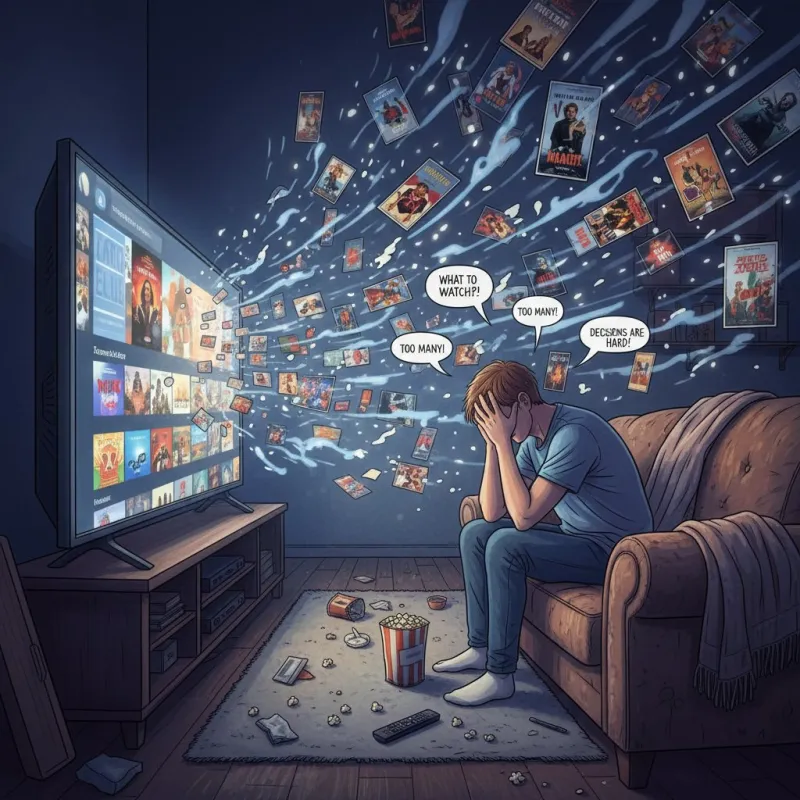
What makes this especially frustrating is that a lot of these canceled shows never had a real shot at building the kind of audience that would have justified their continuation. Streaming platforms are notoriously bad at promoting content that isn't already performing — a self-fulfilling prophecy that dooms mid-tier shows before they find their people.
"Discovery is broken," said one industry insider who works on the distribution side. "If a show doesn't land on the homepage or get pushed in the app, most subscribers will never even know it exists. And then the platform looks at the numbers and says the audience wasn't there. But the audience was never told to look."
This is a structural problem, not a content problem. The shows aren't failing because they're bad. They're failing because the ecosystem they're living in was never really designed to nurture slow-burn success stories.
Think about how some of the most beloved shows in TV history actually grew. "Cheers" was nearly canceled after its first season. "Seinfeld" took years to find its footing. "It's Always Sunny in Philadelphia" built its cult following over time. None of those shows would have survived the current streaming model. They'd have been gone before most people even heard about them.
What Showrunners Are Actually Saying
We reached out to several showrunners and writers who have been through the cancellation experience firsthand. Most weren't willing to speak on the record — the industry is small and memories are long — but the themes in what they shared were consistent.
The grief isn't just personal. It's about the audience. When a show gets canceled after one season, the people who loved it are left without an ending. Characters they invested in are frozen mid-story. Questions go unanswered. And those viewers, burned one too many times, start making a rational decision: don't get attached to anything new until it has at least three seasons.
That defensive viewing behavior is already changing how people engage with new content, which creates yet another feedback loop that makes it harder for new shows to break through.
"There's a real trust problem now," one writer told us. "Viewers don't want to commit. And I get it. I've been on the other side of it, and I understand why they feel that way. We let them down."
Is There a Fix?
Some platforms are experimenting with different approaches. There's been talk of greenlighting limited series instead of open-ended shows, giving both creators and audiences a defined endpoint regardless of performance. That model at least guarantees a complete story, even if the universe never gets expanded.
Others are floating the idea of being more transparent about renewal decisions upfront — essentially telling creators and audiences at the start whether a show has a guaranteed multi-season commitment or is operating on a prove-it basis. Whether that kind of honesty would actually help or just make viewers even more reluctant to invest is an open question.
What's clear is that the current system isn't working — not for creators, not for audiences, and arguably not even for the platforms themselves. A streaming service that keeps canceling beloved shows trains its subscribers to expect disappointment, and that's not exactly a great brand identity.
The Bottom Line
Great television takes time. It takes time to write, time to produce, and time to find its audience. The streaming model, as it currently operates, is allergic to time. It wants immediate proof of value, measured in the coldest possible terms, applied to an art form that has historically rewarded patience.
Until that fundamental tension gets resolved, we're going to keep losing shows that deserved better. And we're going to keep feeling that specific, frustrating grief of finishing a brilliant first season and finding out we'll never know what happens next.
Somebody in a glass office somewhere looked at the numbers and decided it wasn't worth it. The rest of us are left wondering what they were actually looking at.